
Home/Preschools/Unattended child alert
Educators hear when a child has been out of sight too long.
Havenwatch AI raises an unattended child alert when a child stays out of an adult's sight past the time the centre sets. The room gets a grace period to respond before the director is told.
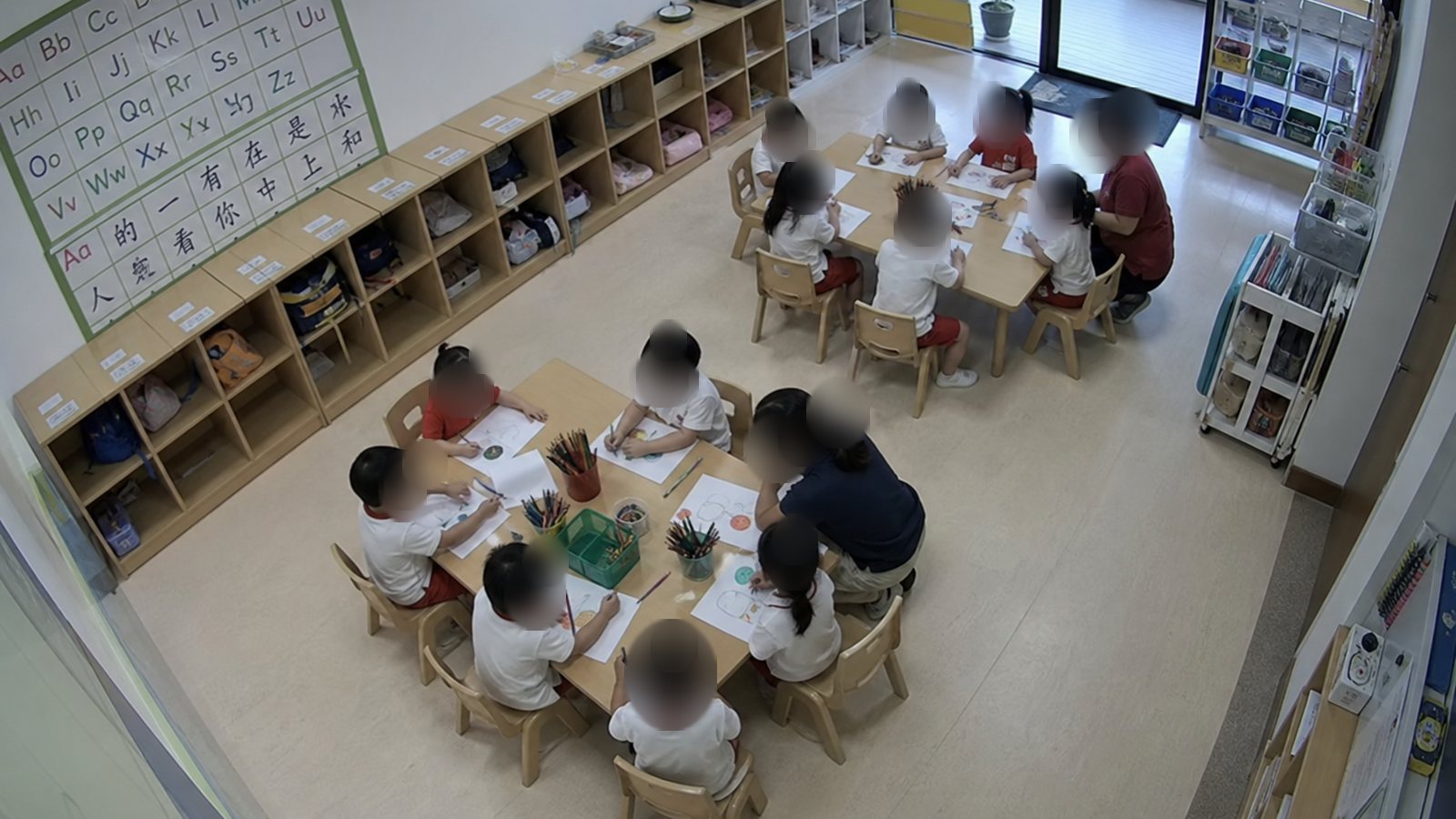 EducatorEducator
A child out of sight in K1 for 60 seconds
The alert goes to the room tablet first, with the zone and one blurred still. An educator reached the child inside the grace period, so the alert stayed in the room.
EducatorEducator- 10:42Room tablet alerted, 45 s grace period started
- 10:42Acknowledged by the educator lead
- 10:42Educator with the child inside the grace period, no escalation
The time threshold is set for each room
The threshold is the time a child may be out of an adult's sight before the alert is raised. A centre might set 60 seconds in classrooms and 30 seconds in play areas.
Set by room and zone
The centre sets the seconds allowed in each classroom, corner and play area.
Set by time of day
Arrival, outdoor play and pick-up can each have their own threshold.
Short gaps raise no alert
An educator who steps behind a shelf and back stays inside the threshold.
The grace period before escalation
The centre sets the length of the grace period. An alert that staff answer in time stays in the room, and one they miss goes to the director.
- AlertThe room tablet shows the zone and a blurred stillThe room tablet shows the zone and a blurred still
- Grace periodAn educator reaches the child within 45 secondsThe 45 seconds pass with no adult in view
- EscalationThe alert stays in the roomThe director is alerted by phone, Teams or SMS
- RecordLogged as closed in the roomLogged with the time each person was told
A person confirms or dismisses each alert
Havenwatch states what the camera saw. It does not judge intent or fault.
Related: Incident records and evidence export, Live room headcount, Supervision alerts.
Confirmed
The educator lead or the director confirms the alert, and it becomes a record.
Dismissed
A dismissed alert is closed with a reason, and the feedback tunes the threshold for that room.
Reported by room
The weekly report counts alerts by room, time of day and routine.
Questions about unattended child alerts
What is an unattended child alert?
An unattended child alert tells educators that a child has been out of an adult's sight for longer than the centre allows. It names the room and the zone, and it carries one blurred still.
Who sets the time threshold?
The centre sets the threshold for each room, zone and time of day. The principal can change it in the dashboard, and each change is logged.
What is the grace period?
The grace period is the time the room has to respond before the alert escalates. If an educator reaches the child in time, the alert stays in the room.
Does the alert say who was at fault?
Havenwatch reports what the camera saw and when. A person confirms or dismisses every alert, and Havenwatch does not judge intent or fault.
Try unattended child alerts in one centre for four weeks.
The pilot counts alerts per day and the share closed inside the grace period.